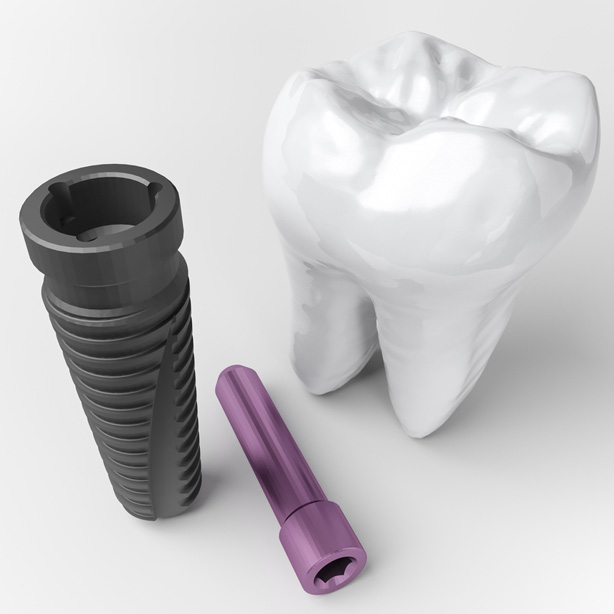
Frisco Oral & Dental Implant Surgery

Teeth Nerve Stem Cells Signal New Age of Recovery

Have you ever thought about the possibility of growing new teeth? Of course, when we are younger, this phenomenon does occur, with adult teeth replacing our missing baby teeth. Many scientists and doctors, however, believed it was impossible, or highly unlikely for adults to ever form new teeth.

teeth nerve stem cellsYet only recently, researchers in Sweden have discovered that such a feat may one day become commonplace. While most scientists did know that the pulp in teeth contains a certain amount of stem cells, the Swedish researchers of the Karolinska Institute have discovered the origin of these cells.

These stem cells are typically used to help reform damaged teeth by assisting with the restoration of tooth tissue. Upon further examination, however, the researchers have discovered that these stem cells originally were nerve cells of the tooth. These cells leave the nerves at early stages of development, changing their identity to become part of the connective tissue, which forms dentin underneath the enamel.

The future possibilities for this discovery are almost endless. Using these nerve tissues, it may be possible for scientists to manipulate the stem cells to form new adult teeth. As these teeth will essentially be copies of one’s original teeth, this innovative process may replace veneers and other restorative processes as the best form of teeth restoration.

In fact, the benefits of this discovery may not stop with just teeth. Igor Adameyko, from Sweden’s Department of Physiology and Pharmacology, believes that all types of peripheral nerves, not just the ones found in teeth, “may function as important stem cell reserves.” Adameyko hypothesized that these “multipotent stem cells can depart from the nerves and contribute to the healing and reformation of tissues in different parts of the body.”

To summarize this exciting research, tooth nerve cells may be the key to a new wave of human recovery and restoration, and adult tooth creation is only one of these recently discovered benefits!
Dental Implants: What Should I Believe?

Dental Implants have become commonplace, with over 3 million people worldwide hosting some sort of implant. Unfortunately, their rising popularity has been accompanied by an increasing number of misconceptions about what they can and can’t do.

Dental Implant eLet us help you to understand which of these common messages are true and which are fabricated.

Message #1: Dental implants are more expensive than traditional restorative methods.

Verdict: True and False. While the initial implant installation is more costly than other dental restorative procedures, over time, maintaining dental implants is much easier and cheaper. Other procedures require eventual replacement. For example, dentures require replacement after 5-10 years while dental bridges must be replaced every 7-10 years. So in the long run, dental implants can be less expensive than these alternative procedures.

Message #2: Dental implants are exceedingly painful.

Verdict: False. Like most forms of oral surgery, dental implant installation does involve some discomfort. However, patient accounts reveal that the pain is not worse than any typical tooth extraction as doctors use local anesthesia to address and minimize any discomfort during the procedure.

Message #3: Dental implant placement often fails.

Verdict: False. While dental implants do have the possibility of falling out, it is very rare for this to happen. In fact, reports show that 98% of dental implant surgeries are successful.

Message #4: Only young people should get dental implants.

Verdict: False. There is no reason healthy, elderly patients cannot receive implants. In fact, there are many cases of patients 90 and older undergoing dental implant placement surgery with great success!

Don’t let these common misconceptions get in the way of your decision to get dental implants. Give us a call…we’d be happy to discuss your concerns about dental implants with you to give you a better idea of what this procedure can do for you.

Traveling and Oral Health: Tooth Tips for the Holidays

We don’t have to tell you: the winter holidays mark one of the busiest seasons of the year. With shopping, parties and vacations jam-packed on the calendar, it’s no wonder that many people take shortcuts when it comes to oral health maintenance during this time. If you are traveling during the holiday season and you want to avoid a January surprise cavity (or worse), here are some simple tooth travel tips to help you keep your smile intact.

  1. TravelDon’t leave home with a toothache! If you suspect you have any lurking problems in your mouth, schedule an appointment prior to your travel date so that you don’t end up with a tooth emergency while out of town. Research emergency dental clinics in your destination city and have those numbers handy to ensure that your time off is as relaxing as possible.
  2. No one ever regrets buying travel-sized gear. Keeping a travel toothbrush, floss and toothpaste on hand in addition to trial sizes of your favorite toiletries reduces your packing time, and not just during the holidays.
  3. Splurge on probiotics! Diseases and germs run rampant in buses, airports and other communal places that you might encounter during your trip. Researchers believe that probiotics are not only good for the gut; they may help maintain optimal oral health too!
  4. Toothbrushes don’t last forever! Generally, dentists recommend that you buy a new toothbrush every two to three months when at home. However if you are traveling, your toothbrush is exposed to even more bacteria. It’s best to toss it when you return home and swap it for a fresh brush, even if it hasn’t hit the three-month mark yet.
  5. Chewing gum is a limitless oral-health-on-the-go tip! Bringing sugar-free gum with you has multiple benefits; not only does it taste good and make your breath smell fresh, but the gum can help remove food that may be stuck in your teeth as well, acting as a secondary toothbrush.

Dental Implants: Are They Right for You?

Not everyone is blessed with perfect teeth. Many people would tell you they lack the smile they’ve always wanted due to genetics, disease, and sometimes even accidents. Fortunately, we have a solution. With dental implants, you will no longer feel self-conscious about your smile; but rather delight in having a new and improved grin!

dental implant dWhat are dental implants?

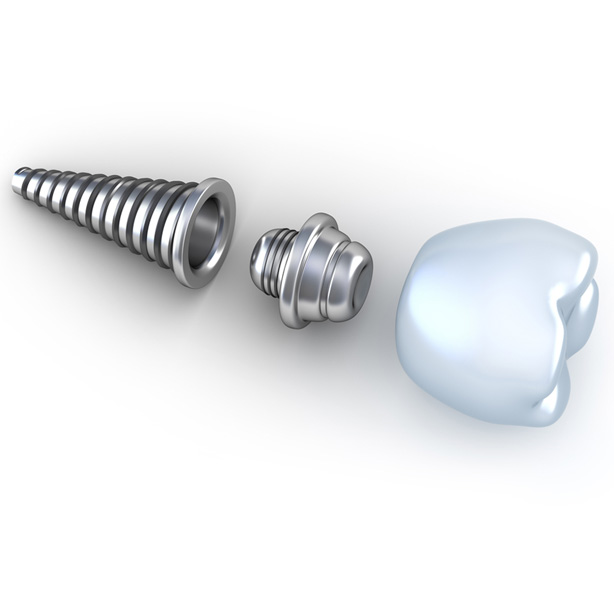
Technically, dental implants are replacement roots for missing teeth. First, the implant, a titanium screw, is inserted into the jawbone. Next, a removable or permanent replacement tooth is attached to the top of the implant to mirror the appearance of your natural teeth. Currently, over 3 million people worldwide have dental implants and the technology has reached a point where each procedure has a 98% success rate.

Why should I get dental implants?

Beyond simply improving the appearance of your smile, dental implants include many other benefits:

  • Oral health: Unlike other restorative procedures, dental implants do not necessitate the reduction or alteration of neighboring teeth, thus resulting in improved oral health overall. Additionally, dental implants do not interfere with access to neighboring teeth, so it is no harder to brush or floss.
  • Longevity: While other dental aides such as dentures and bridges inevitably require replacement, dental implants are extremely durable, lasting many more years and in some cases even a lifetime!
  • Convenience: Dental implants do not ever need to be removed for activities such as eating, drinking and brushing, and do not require adhesives. They act, look and feel just like natural teeth!

How much do dental implants cost?

Dental insurance does not always cover the cost of dental implants. However, in the long run, dental implants are usually cheaper than other restorative procedures. Because they do not need to be replaced, the initial investment for implants is well worth the price.

Dental implants are becoming a popular trend in the world! Call us to set up an appointment to upgrade your smile!

5 Points for Wearing a Mouth Guard During Sports

It’s easy for people to not realize what they have until it’s gone. Imagine what it would be like if you were missing one of your front teeth? You’d probably be a bit embarrassed smiling and talking, and eating would feel strange as well. The good news is that taking preventative measures to protect your teeth can diminish the chances of you having a toothless smile.

Wearing a mouthguard when playing sports decreases the risk of injuries to the mouth or jaw. Some sports players don’t like to wear mouthguards because of their appearance while wearing one, but more injuries can happen when not wearing a mouthguard that can affect your appearance in a much more inconvenient way. Here are five reasons why you should always protect your pearly whites when participating in any contact sports or collision sports where unexpected contact can happen:

1. Protection Against Tooth Fractures

Mouthguards protect your teeth from chipping and breaking. Even though tooth fractures can usually be saved, why go through the risk when wearing a mouthguard can save you all the trouble?

2. Protection Against Tooth Replacement

Wearing a mouthguard is cushion for your teeth, so if a ball hits your face your teeth don’t receive a crushing force. However, if a ball hits your mouth without a mouthguard, it can result in completely breaking or ruining your tooth, leaving you with a toothless smile and an emergency call to our office. Having a gap in your smile due to an accident that could have been prevented isn’t worth it.

3. Protection Against Soft Tissue Injuries

Some contact sports involve quick impacts that could leave you biting through your tongue or lips! A mouthguard can prevent soft tissue injuries by creating a soft resistance when teeth contact your lips and tongue.

4. Protection Against Concussions

According to the American Dental Association, mouthguards could help reduce the severity and incidence of concussions. A properly fitted mouthguard decreases the likelihood of sustaining concussive injury because the padding between the mandible and the maxilla can lessen the force of the mandible pushing up on the skull near the brain, which causes a concussion.

Wearing a protective mouthguard protects your from jaw fractures. Impact to the neck or jaw could result in serious injury, but with the protection of a mouthguard during an impact, it reduces the likelihood of jaw dislodgement or neck trauma.

The Academy of General Dentistry estimates that mouthguards prevent more than 200,000 injuries each year! Using a mouthguard won’t only help prevent you from dental and jaw injuries but can also prevent damage to braces or other orthodontic work. If you’re ready to take the step to save your smile when playing sports, contact us for more information about mouthguard protection.

Wisdom Teeth What’s the Big Deal?

Especially with the younger crowd, this is a question we get time and time again in our office!  And understandably so!  To some, removing the wisdom teeth seems like it should be an elective procedure, not a necessary one.

You have probably heard the statistic that 85% of people have to have their wisdom teeth (also called “third molars”) extracted at some point during their life.  But you may be wondering “Why?”  (As in “Why fix it if it isn’t broken?”)

Well, as it turns out, naming these teeth “wise” demonstrates a very questionable use of vocabulary.  “Wisdom” teeth actually turn out to be more like “trouble makers” for most people, and the common removal of them during the young adult years is done as a necessary preventative measure to avoid much bigger problems down the road.

What kind of problems are we preventing? 

One of the problems wisdom teeth present is that often there is no place for them to grow.  The average mouth is designed to accommodate 28 permanent teeth, not 32.  What ends up happening is that the third molars start to grow horizontally, inward or outward or even into the jaw bone, eventually crowding the nerves and causing pain.

In the case of impacted teeth, they may be “stuck” in the jawbone, only able to partially erupt through the gums.  This can create an inlet for bacteria with the potential to cause serious infection inside the mouth and jaw area.  Furthermore, brushing and flossing becomes a problem, which leads to more problems with decay and infection.

Still not convinced as to why we would perform the procedure now instead of just waiting to see if you develop problems later in life?   Great question!  As it turns out, we have a very good reason for that as well:  In a teen or young adult, the removal of wisdom teeth is much easier to perform with less pain and complications simply because the roots have not fully formed yet.  Once those roots set in the surgery becomes more complicated.

We understand your hesitations about wisdom teeth removal, and we’d be happy to answer any other questions you have about your wisdom teeth, give us a call today!


Dental Implants- Changing the Way We Treat Missing Teeth

Dental implants are rapidly becoming the standard of care in how we, as dental professionals, deal with missing teeth.    And while the incidents of adults losing permanent teeth has been declining for decades, there is still a good chance that at some point in your life you too will require treatment for a lost permanent tooth.

The way this was treated in the past was by one of two methods.  The first method was to install a bridge.  The second commonly used method was dentures.  But both of those methods present their own challenges and hassles to patients.  Thankfully, dental implants have improved so much over the years that more often than not they are a better choice for a patient’s oral care plan.

Here are our top five reasons that dental implants have a leg up on their old competitors.

  1. Almost Natural:  Dental implants are so sturdy that they feel and function just like a natural tooth.  This is achieved by inserting a screw into the jaw which is allowed to bond with the bone in that area.
  2. Longevity:  Dentures are a long term solution and have the ability to last a lifetime when properly placed and taken care of.  By contrast, traditional bridges last only about 5-7 years.
  3. Fully Functional:  Unlike dentures, which have a tendency to slip or feel uncomfortable and might even cause worry about possible embarrassments in public, dental implants don’t move when you are eating, talking or moving around.
  4. Face Shape Protection:  When a permanent tooth is lost, over time the face and smile can sag.  Dental implants fill in those spaces and allow you to keep your natural face shape longer!
  5. Keeps your Jaw in Shape!  Dental implants actually stimulate natural bone growth when set in the jaw.  Without them, the jaw gets lazy and can deteriorate.

If you have a site in your mouth where you are missing a tooth and have been wondering what to do about it, give us a call today for a consultation to see just how great dental implants can be!


The Evolution of Dental Care

Most people are familiar with third molars, more commonly known as “wisdom teeth”.  It is usually suggested that a young adult entering the “age of wisdom” have any existing wisdom teeth removed prior to developing any problems. Because most people’s mouth do not have room for these third sets of molars, the remaining wisdom teeth often fail to erupt and can cause pain, infection or inflammation.
However, you might not realize that about 35 percent of the population doesn’t experience any third molar development. This percentage is slowly growing, begging the question of whether we are on an evolutionary track of losing them completely.

Scientists still aren’t sure of the role that DNA plays in third molar development. One large difference in third molars is that they are the only teeth to develop entirely after birth, which makes it harder for nature to select against them. There may also be environmental factors at work. Studies show that certain cultures have fewer incidences of third molars, but scientific evidence of influencing factors is still to be determined.

As science progresses, many believe bioengineering could be used to prevent the development of third molars altogether. For wisdom teeth to form, a special tissue that promotes the bone growth has to migrate back into the mouth to interact with jaw tissue. Some scientists have begun work on administering a laser or chemical agent that would prevent this process.

It is hard to say what the future might hold for wisdom teeth. For now, we continue to recommend removing your wisdom teeth to avoid the pain and periodontal disease that results from impaction of wisdom teeth. Moreover, this surgery should take place during the young adult years prior to the teeth attaching to the jaw and becoming more difficult to extract.

Wisdom tooth removal in our office is a relatively simple process. Call us to reserve a consultation today.


Considering an Upgrade to Dental Implants

Have you been thinking of upgrading your current tooth replacement strategy but aren’t sure where to start?  This is a great time of growth in modern dentistry, especially when it comes to replacing missing teeth!  With the evolution of dental implants, patients don’t have to suffer some of the pains of the past when older, traditional tooth replacement methods were used.

Traditionally, missing teeth were always “fixed” with bridges or dentures.  And while both of those procedures are still in use by dentists and do still serve an important purpose, they often cause unintended problems in the mouth that modern dental implants may be able to alleviate, or avoid completely.

What is a dental implant, you may be asking?  At the most basic level, a dental implant is simply a prosthetic tooth that is mounted to a metal post, which is screwed into the jawbone.  The procedure is typically done in two visits.  During the first procedure, a titanium screw is inserted into the jawbone, where it is allowed to “settle in” and bond, a process that takes about six to eight months.  After that, the dentist creates a prosthetic tooth and attaches it to the titanium post for a fully functional (yet fake) tooth!

The benefit of dental implants is that, unlike dentures, they are almost unnoticeable by the patient.  Anyone who has had dentures knows that they tend to slip and wear down and sometimes-even cause mild pain or discomfort.  With dental implants, you will not even know they are there.  They function just like a natural tooth in your mouth, no slipping, movement or separate cleaning required.  Similarly, patients who are used to receiving bridges may benefit by an upgrade to an implant as bridges have a tendency to invite bacteria and infection, requiring additional replacements.

Whatever your concerns about dental implants are, we are here to help.  Give us a call today to see if dental implants might be right for you!


TMJ Treatment- A Cooperative Approach

As with many dental health procedures, the treatment of TMJ (temporomandibular joint) disorders requires a cooperative approach between you (the patient) and me (the doctor).  Once we have diagnosed the condition and narrowed in on the problem, we have many different treatment options to explore together.   And luckily, most cases of TMJ do not require surgery.

Symptoms of TMJ disorder range from an aching jaw and painful ear to difficulty chewing. Oftentimes there is a clicking noise when chewing.  And occasionally, locking of the joint can even occur.

The causes are just as wide-ranging as the symptoms.  Sometimes TMJ disorder is caused by a lack of cartilage, sometimes by a blow or impact injury, and occasionally it can be caused by excessive teeth clenching or grinding.

Once we have diagnosed (or ruled out) TMJ disorder, we can get to work on developing a treatment plan for you.  Here are some common treatment options that we will discuss in the office, divided up by: things we will do in the office and things you can do at home.

In the Office, we may:

  • Administer medications to reduce the immediate pain and relax the muscle.
  • Provide you with a splint (night guard).  The purpose of this is to keep your teeth apart during the night, allowing the muscles to relax.
  • Provide you with an anterior positioning appliance to keep your jaw forward.
  • In EXTREME cases, where the jaw can’t open or is dislocated, surgery may be recommended.

At home, we may ask you to:

  • Be mindful of keeping your teeth apart and resting your jaw when not eating.
  • Use ice and heat packs to comfort the area.
  • Eat soft foods.
  • Be aware of your posture.
  • Try a stress management routine that might include biofeedback.

Whatever type of jaw pain you are having, please give us a call so that we can help you figure out how serious it is and what to do about it!

Tags: , , , ,