
How to Take Care of Your Dental Implants
 Cleaning and taking care of your implant is just as important as cleaning your natural teeth. Here are some things you should know about caring for your implant.
Your implant and your natural teeth are similar because they both rely on healthy tissue for support and both can build up plaque. It’s important to remove that plaque because it can develop into an infection. If the infection isn’t properly treated, it can result in a loss of bone around the implant which could progress to the loss of the implant itself.
It’s important to get your teeth cleaned on a regular basis so your dental hygienist can get that biofilm off your teeth and keep your teeth infection-free. As always, you should be brushing your teeth and flossing twice a day. Never use your teeth, especially your implant as “scissors” to open anything.
Dental implants are the closest thing you can get to real and natural teeth. They don’t require any special products or treatment. Just a simple brush and floss will do the job. They are also long lasting. If they are properly cared for, they can last a lifetime, avoiding any further dental work down the road.
With a dental implant, you can still enjoy all your favorite foods. It will not loosen or fall out if you are chewing something hard.
Overall, dental implants are meant to make life better and easier, not to add issues or interrupt your life. You don’t have to go out of your way to take care of them – a simple brush and floss will ensure that they improve your overall quality of life for many years to come.
If you think a dental implant may be right for you, call Frisco Oral And Dental Implant Surgery at 972-335-8717 to schedule a consultation with us.
 Have you started to notice frown lines and crow’s feet around your eyes and are eager to do something about it? Maybe you are are thinking about
  The recovery time following
  So, you were recently told by your doctor that you need a bone graft, but you aren’t quite sure what that means.
 When you hear this word in our office, it is most likely that we are talking about your
 3D printers create three-dimensional objects out of a variety of materials using a computer as a precise guide. Although the concept has been in the news a lot recently, the practice actually dates back to before the 21st century. In fact, 3d printing’s roots go back to the early 1980s. Since then, everything from jewelry to synthetic human organs has been printed, much to the amazement of modern society!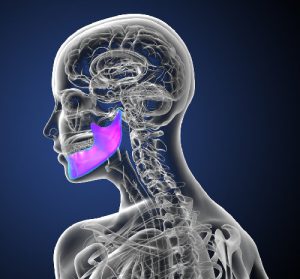
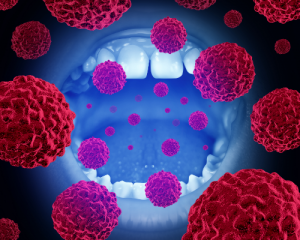 Oropharyngeal cancer is slightly different from oral cancer. Oropharyngeal cancers are related to HPV (Human papilloma virus) and usually occur in the tonsils or at the base of the tongue, while oral cancers are in the mouth and usually associated with tobacco use.